

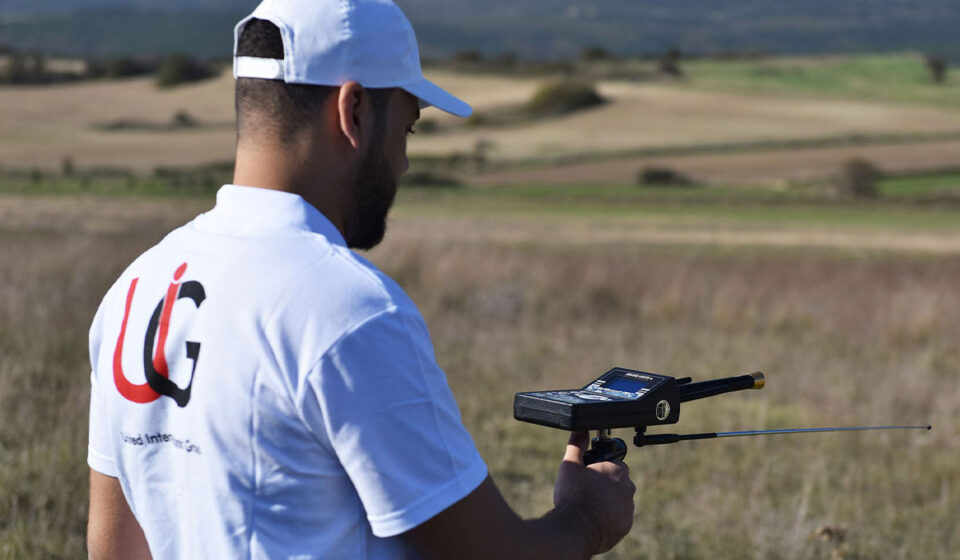
Gold detecting has become a popular hobby and a profitable pursuit for many treasure hunters and prospectors. Whether you are a beginner searching for small nuggets in your backyard or a professional venturing into mineral-rich terrains, choosing the right gold detector is a crucial investment. One of the first questions most buyers ask is: “How much should I pay for a gold detector in 2025?”
This detailed guide explores the current price trends, factors that influence costs, and the advantages of investing in a suitable gold detector. By the end of this article, you will have a clearer idea of what to expect and how to choose a model that delivers the best value for your money.
1. Understanding Gold Detector Pricing in 2025
Gold detectors come in a wide range of prices, generally starting from around $200 for entry-level machines and reaching over $5,000 for advanced professional models.
The price you should pay depends on several factors:
- Your Experience Level: Beginners usually start with affordable devices to learn basic detecting skills.
- Your Purpose: Detecting small gold flakes near the surface requires different features compared to finding large nuggets buried deep underground.
- Technology Used: Pulse Induction (PI) detectors, designed for deep gold detection, tend to be more expensive than VLF (Very Low Frequency) models.
- Terrain Type: Mineralized soils, rocky deserts, or water environments often require more specialized (and pricier) machines.
2. Price Categories of Gold Detectors
To help you decide how much to spend, gold detectors in 2025 can be grouped into three primary price ranges:
a) Budget-Friendly Models ($200 – $500)
These are ideal for beginners and casual hobbyists.
- Features: Basic ground balancing, lightweight build, moderate sensitivity.
- Best For: Learning metal detecting skills, finding small gold pieces near the surface.
- Examples: Garrett ACE 200i, Nokta Simplex Lite.
b) Mid-Range Models ($500 – $1,500)
Suitable for hobbyists and semi-professionals who want better performance without a hefty price tag. The current gold detector price varies depending on the model and its advanced features.
- Features: Higher sensitivity, better ground balancing, digital displays, waterproof coils.
- Best For: Detecting gold in various terrains like riverbeds and mineralized soils.
- Examples: Fisher Gold Bug 2, Minelab Gold Monster 1000.
c) High-End Models ($1,500 – $5,000+)
Designed for professional prospectors looking for exceptional depth and accuracy.
- Features: Pulse Induction technology, advanced discrimination, GPS integration, large coils for deeper detection.
- Best For: Detecting large gold nuggets at greater depths in tough terrains.
- Examples: Minelab GPX 6000, Garrett ATX DeepSeeker, XP DEUS II.
3. Factors That Influence Gold Detector Prices
Several factors contribute to the price variations among different models:
- Detection Depth and Sensitivity:
Deeper and more precise detection typically requires advanced technology, which increases the cost. - Technology Type:
PI detectors are generally more expensive than VLF detectors due to their ability to work effectively in mineralized soils. - Build Quality and Durability:
Detectors made from high-quality materials with waterproof and dustproof designs tend to cost more. - Additional Features:
Features such as wireless headphones, GPS tracking, rechargeable batteries, and multiple search modes can raise the price. - Brand Reputation:
Established brands like Minelab, Garrett, and Nokta charge higher prices due to their reliability and customer support.
4. Advantages of Investing in the Right Gold Detector
While it may be tempting to go for the cheapest option available, investing in a detector that suits your needs offers several advantages:
1) Higher Accuracy
A quality gold detector minimizes false signals and improves your chances of distinguishing gold from junk metals, saving you time and effort.
2) Greater Depth Detection
Premium models with larger coils and PI technology can detect gold buried several feet underground, increasing your likelihood of finding valuable nuggets.
3) Durability and Longevity
Higher-end detectors often feature rugged designs built to withstand challenging environments, ensuring your device lasts for years.
4) Time Efficiency
Advanced detectors with better ground balancing and sensitivity help you cover more ground quickly without unnecessary digging.
5) Adaptability to Different Terrains
Mid- to high-range detectors offer versatility for use on beaches, deserts, riverbeds, and even underwater.
6) Better Resale Value
A well-maintained quality detector retains its value better, making it easier to sell or upgrade in the future.
7) User-Friendly Features
Many modern detectors come with digital screens, target ID, and audio signals that simplify operation, even for beginners.
5. Tips for Finding the Best Price Deals in 2025
To make the most of your investment, consider these tips when shopping for a gold detector:
- Shop During Sales: Look for holiday discounts during Black Friday, Cyber Monday, or New Year sales.
- Buy from Reputable Retailers: Avoid unknown sellers to ensure product authenticity and warranty coverage.
- Compare Prices Online: Check different e-commerce sites like Amazon, eBay, and specialized metal detecting stores for competitive pricing.
- Look for Bundles: Packages that include extra coils, carrying cases, or headphones often offer better value.
- Consider Certified Refurbished Models: Refurbished detectors from official manufacturers can save you 20–40% off retail prices.
6. Recommended Price Points for Different Users
Here’s a quick guide to how much you should expect to pay depending on your experience level:
- Beginners: $250 – $500 for a reliable entry-level model.
- Hobbyists with Experience: $700 – $1,500 for better depth and sensitivity.
- Professional Prospectors: $2,000 – $5,000+ for advanced detection in difficult terrains.
7. Future Price Trends
The gold detector market in 2025 is competitive, leading to better features at lower prices for mid-range devices. While premium detectors with cutting-edge technology may remain expensive, entry-level devices are expected to become more affordable as new brands enter the market.
8. Conclusion
The gold detector price guide for 2025 shows that how much you should pay depends on your experience level, needs, and the terrains you plan to explore. Beginners can start with affordable yet effective models, while professionals should invest in high-end detectors for maximum depth and accuracy.
Choosing the right gold detector is not just about the price; it is about getting the best value for your investment. By understanding the advantages of each price range and comparing models wisely, you can make an informed decision that enhances your gold hunting success for years to come.
