

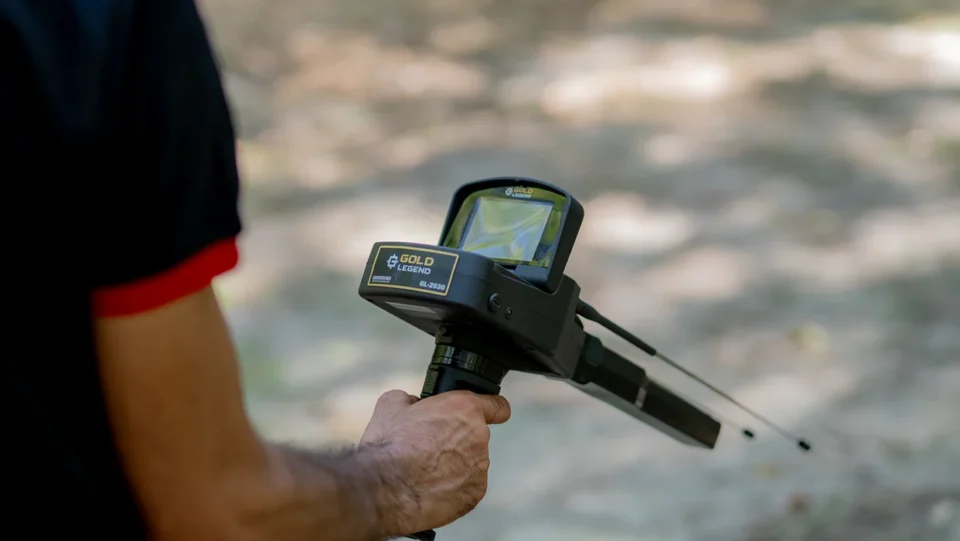
When it comes to treasure hunting and underground exploration, many people assume that a gold detector and a metal detector are the same device. While both are designed to locate metal objects beneath the ground, they are built for very different purposes. Understanding the differences between a gold detector and a metal detector is essential if you want to choose the right tool for your needs.
This article explains how gold detectors and metal detectors differ in design, technology, performance, and use cases, along with the advantages of each.
What Is a Metal Detector?
A metal detector is a general-purpose electronic device designed to locate a wide range of metal objects. These include iron, aluminum, copper, silver, and gold. Metal detectors are commonly used for:
- Coin hunting
- Relic and artifact searching
- Jewelry detection
- Beach and park detecting
Most metal detectors are optimized to find larger metal objects near the surface and work well in areas with low to moderate mineralization.
What Is a Gold Detector?
A gold detector is a specialized type of metal detector designed specifically to locate gold—especially small natural gold nuggets that are often missed by standard metal detectors. Gold detectors are engineered to handle mineralized soil and detect gold’s unique conductivity.
They are commonly used for:
- Gold prospecting
- Mining exploration
- Desert and mountain searches
- Professional geological surveys
Key Differences Between Gold Detectors and Metal Detectors
1. Sensitivity to Gold
- Gold Detectors: Highly sensitive to small gold nuggets and fine gold particles.
- Metal Detectors: Designed for general metal detection and may miss very small gold pieces.
Gold detectors use higher operating frequencies or advanced pulse induction systems to detect gold more accurately. This site provides detailed reviews for each gold detector, helping users make informed purchasing decisions.
2. Operating Frequency
- Gold Detectors: Typically operate at high frequencies or use Pulse Induction (PI) technology.
- Metal Detectors: Usually operate at lower or mid-range frequencies suitable for coins and relics.
Higher frequencies allow gold detectors to detect smaller targets.
3. Ground Mineralization Handling
- Gold Detectors: Built to work effectively in highly mineralized soil, rocky terrain, and deserts.
- Metal Detectors: Can struggle in mineral-rich ground and produce false signals.
Gold-rich areas often contain heavy minerals, which standard metal detectors cannot filter out effectively.
4. Detection Depth
- Gold Detectors: Capable of detecting gold at greater depths, especially professional PI models.
- Metal Detectors: Best for shallow to medium-depth targets.
Depth capability depends on detector technology, coil size, and ground conditions.
5. Discrimination Features
- Gold Detectors: Limited discrimination to ensure small gold is not filtered out.
- Metal Detectors: Advanced discrimination to ignore trash metals.
Gold prospecting often requires digging most signals to avoid missing valuable finds.
6. Target Type Focus
- Gold Detectors: Optimized for natural gold nuggets and gold veins.
- Metal Detectors: Optimized for coins, jewelry, and relics.
While metal detectors can find gold jewelry, they are not ideal for raw gold.
Advantages of a Gold Detector
1. Superior Gold Detection Accuracy
Gold detectors are specifically tuned to gold’s conductivity, making them far more effective at finding small nuggets and fine gold.
2. Excellent Performance in Harsh Soil
Gold detectors handle mineralized soil, hot rocks, and desert conditions much better than standard metal detectors.
3. Greater Detection Depth for Gold
Professional gold detectors can locate gold buried deeper underground, increasing the chances of valuable discoveries.
4. Designed for Professional Prospecting
Gold detectors are ideal for serious prospectors and miners searching in known gold-bearing regions.
5. Reduced False Signals in Gold Fields
Advanced ground balance systems reduce noise caused by minerals and rocks.
Advantages of a Metal Detector
1. Versatility
Metal detectors can find a wide variety of metal objects, including coins, jewelry, relics, and some gold items.
2. Ease of Use
Most metal detectors are beginner-friendly and feature simple controls and clear displays.
3. Affordable Price Range
Metal detectors are generally less expensive than professional gold detectors.
4. Strong Discrimination Features
They can filter out unwanted metals, making them ideal for urban areas, parks, and beaches.
5. Ideal for Hobbyists
Metal detectors are perfect for casual treasure hunters and recreational use.
Which One Should You Choose?
Choose a gold detector if:
- You want to find natural gold nuggets
- You detect in mineralized soil or deserts
- You are serious about gold prospecting
Choose a metal detector if:
- You want to find coins, jewelry, and relics
- You detect in parks, beaches, or urban areas
- You are a beginner or hobbyist
Some advanced detectors combine features of both, but specialized tools always perform better for their intended purpose.
Common Misconceptions
- “Any metal detector can find gold.”
While technically true, most metal detectors are not sensitive enough for natural gold nuggets. - “Gold detectors are only for professionals.”
Many modern gold detectors are beginner-friendly with automatic settings.
Conclusion
While gold detectors and metal detectors may look similar, they are designed for very different tasks. A gold detector excels at finding small, deeply buried gold in harsh environments, while a metal detector offers versatility and ease of use for general treasure hunting.
Understanding these differences and advantages allows you to make an informed decision and choose the right detector for your goals. Whether you’re chasing gold nuggets in the desert or coins in a park, the right detector can dramatically improve your success.
