

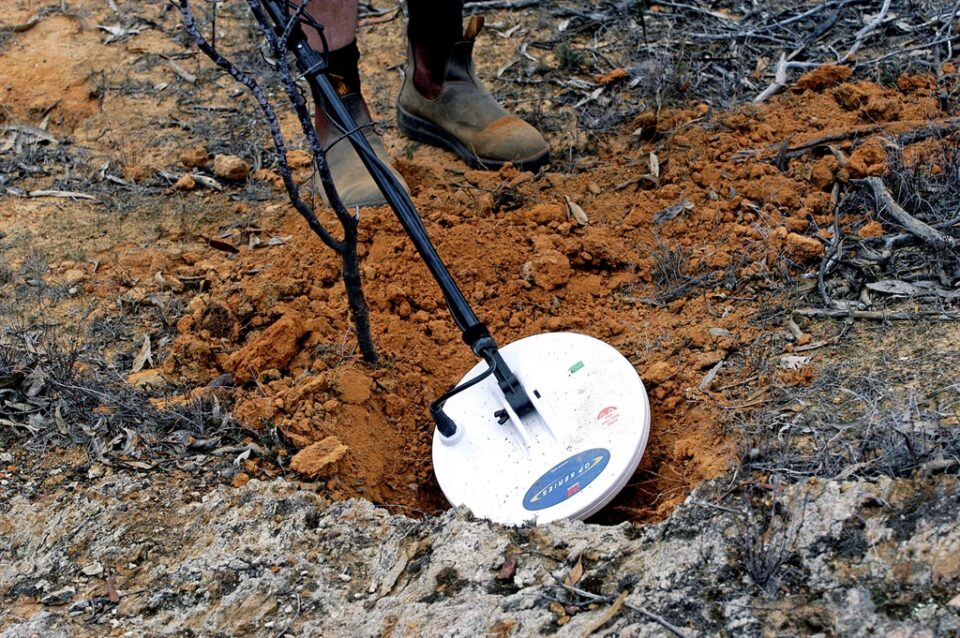
Gold nugget metal detectors may seem like magic, but their effectiveness is based on solid science and advanced technology. Whether you’re a hobbyist prospector or a professional treasure hunter, understanding how these machines work can help you use them more effectively in the field. Below is a clear step-by-step explanation of the science behind gold detectors and the process that makes them capable of locating hidden nuggets.
Step 1: Electromagnetic Field Generation
Every metal detector contains a search coil.
- When powered, the coil creates an electromagnetic field that extends into the ground.
- This field is invisible, but it’s the essential “search zone” where metal objects can be detected.
Step 2: Interaction with Metallic Objects
When the electromagnetic field comes into contact with a conductive material (like gold), it causes the object’s atoms to generate tiny electrical currents, known as eddy currents.
- These eddy currents create their own magnetic field.
- The detector’s coil senses these changes in the surrounding field.
Step 3: Signal Detection and Processing
The detector’s receiver coil picks up the response from the nugget.
- This response is converted into an electronic signal.
- The detector’s control box interprets the signal, producing a sound, vibration, or visual display.
This is how you know there’s a potential gold target beneath the surface. Many prospectors report success when they find gold nuggets with metal detector at historic mining sites.
Step 4: Ground Balancing for Mineralized Soil
Gold is often found in highly mineralized soil, which can create false signals. To overcome this:
- Ground balancing is used to filter out interference from iron minerals and salts.
- Detectors can have manual, automatic, or tracking ground balance modes to maintain accuracy.
Step 5: Frequency and Sensitivity Adjustments
- High frequencies (18–71 kHz) are more sensitive to small gold nuggets.
- Pulse Induction (PI) detectors use powerful pulses to penetrate deeper ground and ignore most mineral interference.
- Choosing the right frequency and sensitivity settings ensures you don’t miss faint signals from small or deep nuggets.
Step 6: Signal Identification and Discrimination
Modern detectors include discrimination features that help distinguish between gold and junk metals.
- Gold typically gives a softer, more consistent signal.
- Discrimination filters allow you to reduce time wasted on digging trash items like nails or bottle caps.
Step 7: User Feedback and Target Recovery
Once the signal is confirmed, the prospector digs carefully to recover the target.
- A pinpointer tool may be used for precise location.
- Re-scanning the hole after each scoop ensures the nugget isn’t missed.
Final Thoughts
The science behind gold nugget metal detectors combines electromagnetism, signal processing, and advanced filtering technologies to separate valuable targets from noise. By understanding how these steps work, you’ll not only appreciate the engineering inside your detector but also improve your success rate in the field.
